
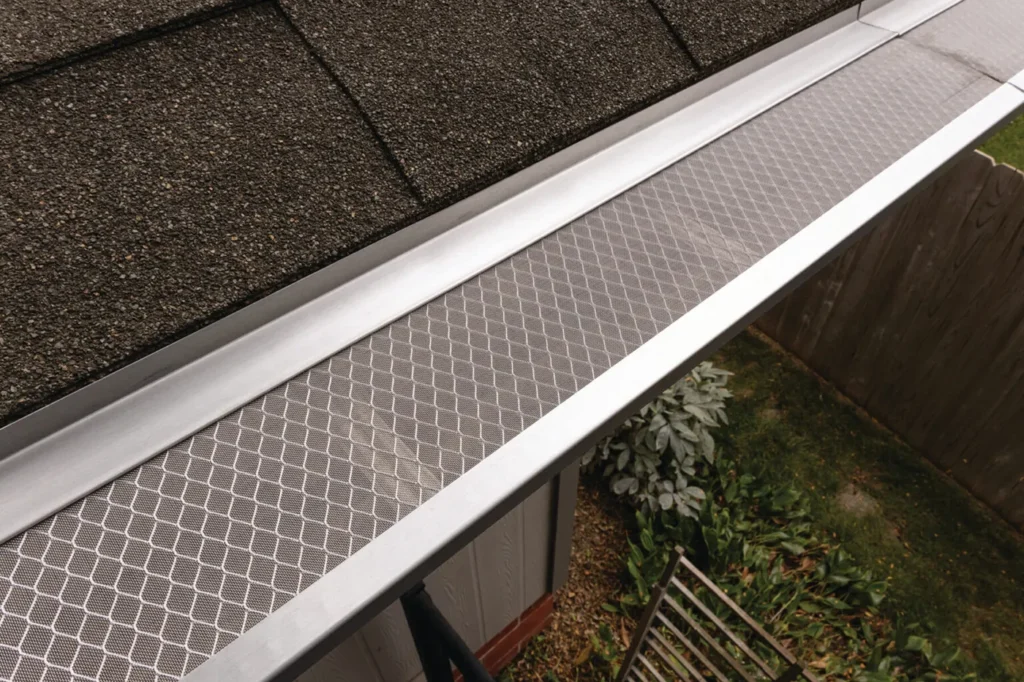
The difference between gutter screens and micro-mesh is the size of the holes, and in Sioux Falls that decides almost everything. A screen stops leaves. Micro-mesh stops leaves, maple seeds, pine needles and shingle grit. Screens cost less and leave the gutter underneath to clean. Micro-mesh costs more and leaves only its top surface to rinse.
Side by side
| Screens | Micro-mesh | |
|---|---|---|
| Openings | About 1/8 to 1/2 inch | Well under 1 millimeter |
| Stops | Leaves, twigs | Leaves, seeds, pine needles, shingle grit |
| Lets through | Needles, maple and elm seeds, grit | Almost nothing; fine debris sits on top |
| What still needs cleaning | The gutter underneath, less often | The top surface, a rinse or a brush |
| Materials | Plastic, aluminum or steel | Stainless steel mesh on a metal frame |
| Typical cost | About $1.50 to $4 a foot to fit yourself; $4 to $8 installed | From about $2 a foot for store mesh; $7 to $11 installed locally; $18 to $45 from national brands |
Local install prices vary by guard type and footage, and national brands like LeafFilter sell micro-mesh at the top of that range, and LeafGuard is a different product altogether. Our guard cost page sets the brands beside the local prices.
Why hole size matters so much here
A screen’s openings run from about an eighth of an inch to half an inch. That is fine for a flat oak leaf. It is not fine for a maple seed, a spruce needle or the grit washing off an aging roof, and those are exactly what Sioux Falls trees and roofs produce. The debris goes through the screen, sits in the trough, and the gutter still needs cleaning, just less often.
Micro-mesh openings are well under a millimeter. Water is drawn through by surface tension while the debris stays on top, where wind and rain can move it off. That is also its weakness: what stays on top can build up.
| Debris | When | Screen | Micro-mesh |
|---|---|---|---|
| Maple and elm seeds | Spring | Many slip through | Stopped |
| Cottonwood fluff | Late May into early July | Passes through and packs the gutter | Mats on top; rinse it off |
| Oak, maple and ash leaves | Fall | Stopped | Stopped |
| Pine and spruce needles | All year | Slide through | Stopped; can lie across the top |
| Shingle grit | All year, more on older roofs | Passes through | Stopped |
Cottonwoods, the local test

If there is a cottonwood near your house, this is the part that matters. From late May into early July, cottonwood fluff blows in a fine mat that behaves like neither leaves nor seeds. It passes straight through a screen and packs into the trough and the downspout outlets. On micro-mesh it stays on top and forms a felt that can shed a heavy rain over the front edge.
Neither guard makes a cottonwood maintenance-free. The difference is where the work happens: with micro-mesh it is a rinse from a ladder or a soft brush on a pole, after the fluff has finished falling; with a screen it is cleaning out a gutter. Timing that clean-out after the fluff is done matters with either.
Get a free quote for your house
Pine needles
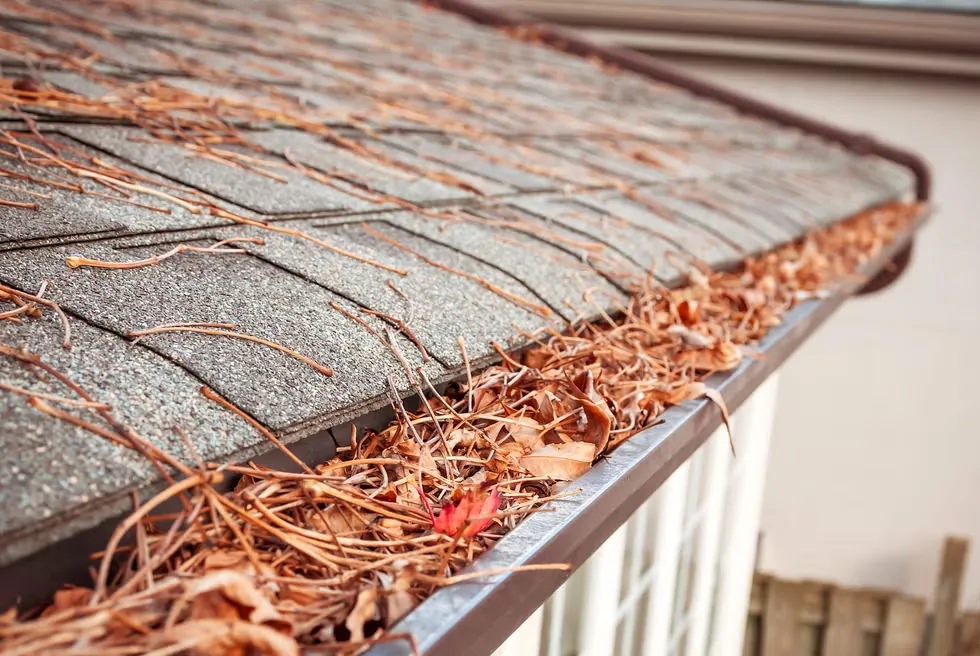
Needles are the clearest case. They slide straight through a standard screen and lie in the gutter like straw, catching everything else. Micro-mesh stops them. They can still lie across the top of the mesh, especially on a flat stretch, so a guard installed with a slight pitch sheds them better.
Heavy rain
A clean micro-mesh takes water well. Any guard sheds rain over the front once its top is covered, and on a steep roof or under a roof valley fast water can skate across either kind. The most recent independent test, from 2010, found fine mesh beat coarse screens but also found every type struggled in a real downpour. Sioux Falls gutters are sized for 7.4 inches of rain an hour at peak, so ask how a guard behaves in a storm, not just in the brochure.
Winter
Plastic screens are the weakest choice in this climate. They go brittle with sun and cold, and winter loads them with ice. If you buy screens, buy metal. Either kind, laid flat across the gutter, can hold a ridge of ice along the edge, so a slight pitch helps there too. Ice dams are an attic problem that no guard fixes.
Which to choose
- Big-leaf trees only, nothing small falling: a metal screen does most of the job for less.
- Maples, elms or an aging roof shedding grit: micro-mesh.
- Pines or spruces near the eaves: micro-mesh. Screens do nothing for needles.
- A cottonwood nearby: micro-mesh, and plan on rinsing it once the fluff has finished.
- A two-story house: whichever you choose, have it installed. The ladder is the dangerous part.
Before any guard goes on, the gutter underneath has to be sound. A guard on a sagging, leaking or undersized gutter hides the problem rather than fixing it. The other guard types, hoods, foam and brushes, each have their own trade-offs.
Questions about screens and micro-mesh
What is the difference between gutter screens and micro-mesh?
Hole size. A screen has openings of about 1/8 to 1/2 inch, so it stops leaves but lets pine needles, seeds and shingle grit through. Micro-mesh has openings well under a millimeter and stops almost all of it.
Do gutter screens stop pine needles?
No. Needles slide straight through standard screen openings and pile up in the gutter. Micro-mesh is the guard that stops them, though needles can still lie across the top and need brushing off.
Is micro-mesh worth the extra cost?
Under maples, elms, cottonwoods or pines, usually yes, because a screen lets their seeds and needles through and the gutter still needs cleaning. Under big-leaf trees only, a good metal screen does most of the job for less.
Does micro-mesh clog?
It does not clog inside the gutter, but its top can mat over, especially with cottonwood fluff in early summer. A rinse or a soft brush clears it. A matted top sheds rain over the edge, so it matters before storm season.
Are plastic gutter screens OK in South Dakota?
They are the weakest choice here. Plastic goes brittle with sun and cold, and screens get stepped on, pried and loaded with ice. If you buy screens, buy metal ones.
Which is better in heavy rain?
A clean micro-mesh takes water well. Either type sheds water over the front when its top is covered in debris, and every guard type struggled in a real downpour in the last independent test. On steep roofs and under valleys, ask how the guard handles a storm.
Get a quote
Tell us about the job, including what trees are near the house, and a local gutter contractor will call, text or email to set up a visit. The quote is free.